

If you’re struggling with overwhelming debt, you’re not alone. Thousands of Canadians face the same challenge every year, and finding the right solution is crucial. At HP Financial Services we help individuals and families across Ontario take control of their financial future with practical, effective solutions, including Consumer Proposals.
A Consumer Proposal is a legally binding agreement filed with a Licensed Insolvency Trustee (LIT) that allows you to repay a portion of your debt while protecting your assets. It’s one of the most flexible and affordable alternatives to bankruptcy, giving you a fresh financial start without losing your home, vehicle, or savings
A Consumer Proposal is an arrangement between you and your creditors that reduces your total debt to a manageable level. Instead of paying the full amount you owe, you agree to pay back a portion over a set period, usually up to five years. Your creditors must legally accept the proposal, and once approved, interest stops accumulating, and collection calls cease.
This debt solution is designed to help individuals with unsecured debts of up to $250,000 (excluding a mortgage on your principal residence). If your debts are higher, a different process may be more suitable, but for many Ontarians, a Consumer Proposal provides the right balance of relief and protection.
Choosing a Consumer Proposal through HP Financial Services comes with several advantages:

It’s important to understand how a Consumer Proposal differs from bankruptcy. While bankruptcy eliminates your unsecured debt entirely, it often requires the surrender of assets and comes with greater impact on your credit rating.
A Consumer Proposal, on the other hand, allows you to:
Keep your property.
For many Ontarians, this balance makes it a more attractive option than bankruptcy.
To file a Consumer Proposal, you must meet certain eligibility requirements:
| Criteria | Requirement |
|---|---|
| Debt Level | Your total unsecured debt must not exceed $250,000 (excluding your mortgage). |
| Ability to Repay | You must have a stable income that allows you to make monthly payments. |
| Residency | You must be a Canadian resident or have assets in Canada. |
| Financial Situation | You're unable to pay your debts in full but can afford partial payments. |
If you meet these qualifications, a Consumer Proposal may be the right solution for you. At HP Financial Services , we’ll guide you through every step to ensure the process is smooth and stress-free.
Here’s how the process works with HP Financial Services:
| Free Consultation | We assess your financial situation and explore all options. |
| Proposal Drafting | With a Licensed Insolvency Trustee, we create a repayment plan tailored to your ability to pay. |
| Creditor Review | Your creditors vote to accept the proposal. In most cases, approval is granted. |
| Court Approval | The proposal is legally approved, and your payments begin. |
| Debt-Free Future | Once payments are complete, the remaining debt is legally discharged. |
A Consumer Proposal does affect your credit rating, but not permanently. During the repayment period, your credit report will reflect an R7 rating, which indicates that debt is being repaid through a consolidation or proposal. However, unlike bankruptcy, which carries an R9 rating, the impact is less severe, and you can start rebuilding your credit much sooner.
Many clients begin rebuilding their credit within one to two years of completing their Consumer Proposal, often with the help of secured credit cards, responsible borrowing, and proper financial planning.
There are a number of ways in which poor credit could impact your mortgage application:
As a defence mechanism, lenders will charge higher interest rates to borrowers with poor credit.
A greater down payment—often 20% or more—may be required for bad credit mortgages.
Options are restricted because numerous conventional banks and credit unions have stringent credit score requirements.
Mortgage default insurance is required if the down payment is lower than 20%. This insurance could be more challenging or costly if you have bad credit.
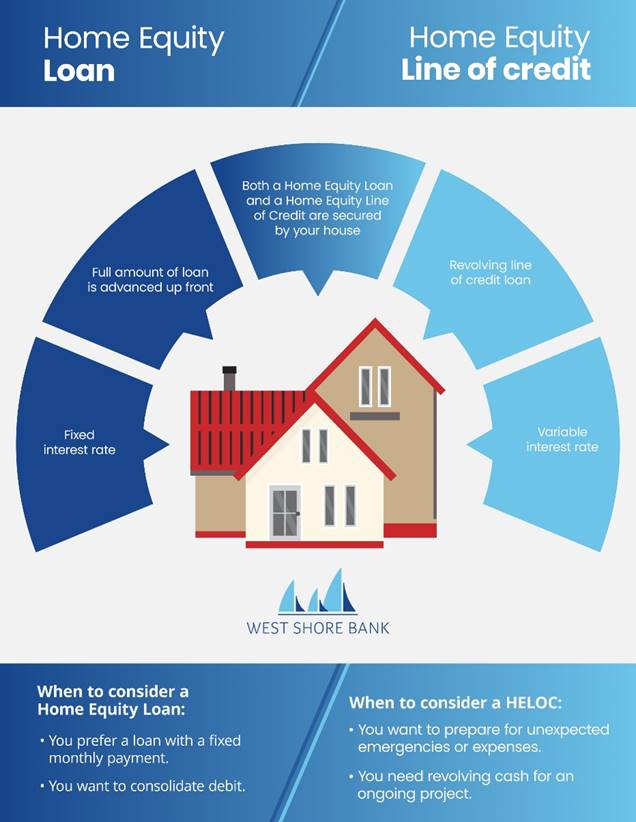
You can borrow up to 65% of your home’s value with a Home Equity Line of Credit (HELOC) in Ontario.
Home equity is the difference between your home’s value and what you still owe on your mortgage.
Example:
Your lender will determine your home’s value using one of the following:
You can negotiate your HELOC credit limit with your lender. Some lenders may offer a higher limit than you need, which could lead to overspending. You can ask for a lower credit limit to stay within your budget and avoid unnecessary debt.
| Benefits | Disadvantages | Risks Involved |
|---|---|---|
| 1. Flexible Borrowing & Repayment – Borrow as much or as little as you need, repay anytime, and re-borrow up to your limit without reapplying. | 1. A home equity line of credit (HELOC) usually has a higher interest rate than a mortgage. | 1. It might be hard to pay back your HELOC if interest rates go up, especially if you take out a lot of money of it. |
| 2. Interest-Only Payments – You only pay interest on the amount you use. If you have no balance, you pay no interest. | 2. Compared to a standard second mortgage loan, the application process for a home equity line of credit is more complex and time-consuming. | 2. Loss of home ownership is a real possibility if you fail to repay your home equity line of credit. |
| 3. Lower Interest Rates – HELOC rates are typically lower than credit cards and other high-interest loans. | 3. It lowers your home's equity, which could: a. Impact your capacity to pay for essentials. b. Restrict your potential home-selling opportunities in the future |
|
| 4. No Prepayment Penalties – Most HELOCs allow you to repay and close the account anytime without extra fees. | 4. You could be tempted to take on more debt than you can afford to repay due to the easy availability of finances. | |
| 5. Convenient Access – Withdraw funds anytime, often through online banking, phone, or even a line of credit card with the same interest rate. | 5. You will not be able to repay your debt if you solely pay the interest. |
Before you take out a home equity line of credit, you should make sure that you have a repayment plan and that you have considered the dangers involved.
You can include up to $250,000 in unsecured debt (excluding mortgages). This typically covers credit cards, lines of credit, payday loans, and personal loans.
Yes. Income tax debt and GST/HST obligations to the Canada Revenue Agency (CRA) can be included.
Most creditors accept Consumer Proposals, especially when it offers them a better return than bankruptcy would.
No. A major benefit of a Consumer Proposal is that you can keep your home and other assets while restructuring your debt.
Yes. If your financial situation improves, you may pay off your Consumer Proposal ahead of schedule without penalty.
At HP Financial Services , we go beyond paperwork. Our mission is to provide clear, honest, and personalized debt solutions to help you regain financial independence.