
Access your home equity, lower your payments, consolidate debt, or finance major expenses with personalized mortgage refinancing solutions.
Contact Haris Paracha Mortgage Agent Level 1

Refinancing your mortgage can help you access the equity you have built in your home, manage existing debts, make major purchases, or adjust your mortgage terms to better align with your financial goals.
Haris Paracha, Mortgage Agent Level 1 with Mortgage Intelligence, helps homeowners across Ontario explore refinancing options with personalized guidance and access to 50+ trusted lenders, including major banks, credit unions, and alternative lenders.
If you are looking to consolidate debt, renovate your home, lower financial stress, or review your current mortgage strategy, Haris Paracha Mortgage Agent Level 1 provides expert advice to help you make informed decisions.
Mortgage refinancing involves replacing your existing mortgage with a new mortgage agreement that may allow you to access home equity, change your mortgage terms, or restructure your financing.
Many Ontario homeowners consider refinancing when their financial situation changes or when they want to make better use of the equity they have built in their property.
A mortgage refinance may help you:
Haris Paracha helps you understand your options and determine whether refinancing is the right solution for your needs.


At Haris Paracha Mortgage Agent Level 1, Haris Paracha makes the refinancing process simple, transparent, and stress-free.
With access to multiple lenders, Haris can help you:
Every homeowner has different needs, so Haris provides personalized mortgage advice based on your circumstances.
One mega feature of HELOC in Ontario is that it allows homeowners to borrow funds, of course, up to a pre-approved limit without reapplying for the loan. Most importantly, the interest is only charged on the amount used, making it a flexible financing option.
Additionally, a few more beneficial features of home equity line of credit in Ontario, Canada are:
A HELOC is a practical financial tool for home renovations, debt consolidation, or emergency expenses. However, responsible use is crucial to avoid excessive debt.
Submitting an application with your financial institution is necessary to qualify for a home equity line of credit (HELOC). To determine your eligibility for a home equity line of credit (HELOC) and the amount you can borrow, lenders will usually request to see the following financial documents:
| Benefits | Considerations |
| Access available home equity | Refinancing may involve fees or closing costs |
| DConsolidate high-interest debts | Increasing your mortgage balance increases borrowing obligations |
| Adjust mortgage terms | New mortgage terms may affect your overall costs. |
| Improve financial flexibility | Interest rates and lender conditions may change |
At Haris Paracha Mortgage Agent Level 1, Haris Paracha helps Ontario homeowners understand both the benefits and responsibilities of refinancing before making a decision.
You must also pass a stress test, like for a mortgage. You’ll be stress-tested at the OSFI qualifying rate of 5.25% or your contract rate + 2%, whichever is higher. HELOC qualifications in Canada differ from lender to lender; however, they can be added to your mortgage or used alone.
Home equity is a crucial HELOC qualification criterion that affects the line of credit amount. Your debt-to-income ratio is another HELOC qualification because lenders want to know if you can pay off the line of credit and pay interest.
All these criteria and documentation can make the acquisition of HELOC in Ontario slightly confusing and lengthy.

Mortgages are another kind of secured loan. One thing that sets a mortgage apart from a HELOC is that you can’t borrow money again with a mortgage. You are required to refinance in order to withdraw the funds from a mortgage after making a principal payment. Additionally, that may be both troublesome and costly.
There are a number of ways in which poor credit could impact your mortgage application:
As a defence mechanism, lenders will charge higher interest rates to borrowers with poor credit.
A greater down payment—often 20% or more—may be required for bad credit mortgages.
Options are restricted because numerous conventional banks and credit unions have stringent credit score requirements.
Mortgage default insurance is required if the down payment is lower than 20%. This insurance could be more challenging or costly if you have bad credit.
You can borrow up to 65% of your home’s value with a Home Equity Line of Credit (HELOC) in Ontario.
Home equity is the difference between your home’s value and what you still owe on your mortgage.
Example:
Your lender will determine your home’s value using one of the following:
You can negotiate your HELOC credit limit with your lender. Some lenders may offer a higher limit than you need, which could lead to overspending. You can ask for a lower credit limit to stay within your budget and avoid unnecessary debt.
| Benefits | Disadvantages | Risks Involved |
|---|---|---|
| 1. Flexible Borrowing & Repayment – Borrow as much or as little as you need, repay anytime, and re-borrow up to your limit without reapplying. | 1. A home equity line of credit (HELOC) usually has a higher interest rate than a mortgage. | 1. It might be hard to pay back your HELOC if interest rates go up, especially if you take out a lot of money of it. |
| 2. Interest-Only Payments – You only pay interest on the amount you use. If you have no balance, you pay no interest. | 2. Compared to a standard second mortgage loan, the application process for a home equity line of credit is more complex and time-consuming. | 2. Loss of home ownership is a real possibility if you fail to repay your home equity line of credit. |
| 3. Lower Interest Rates – HELOC rates are typically lower than credit cards and other high-interest loans. | 3. It lowers your home's equity, which could: a. Impact your capacity to pay for essentials. b. Restrict your potential home-selling opportunities in the future |
|
| 4. No Prepayment Penalties – Most HELOCs allow you to repay and close the account anytime without extra fees. | 4. You could be tempted to take on more debt than you can afford to repay due to the easy availability of finances. | |
| 5. Convenient Access – Withdraw funds anytime, often through online banking, phone, or even a line of credit card with the same interest rate. | 5. You will not be able to repay your debt if you solely pay the interest. |
Before you take out a home equity line of credit, you should make sure that you have a repayment plan and that you have considered the dangers involved.
Mortgage refinancing means replacing your existing mortgage with a new mortgage agreement that may allow you to access equity, change terms, or restructure your financing.
Sure, under certain circumstances. You can apply for a higher home equity line of credit. You would need to reapply, and your salary, home equity, debt service ratios, and credit score would all matter.
Yes, you can use HELOC funds to pay your mortgage. This lets you substitute your mortgage with a HELOC. That may make sense if you’ll pay it off in less than 6-12 months.
There are various ways a HELOC can affect your mortgage. HELOC loans raise your debt-to-income ratio, which may be a factor during mortgage renewal or refinancing.
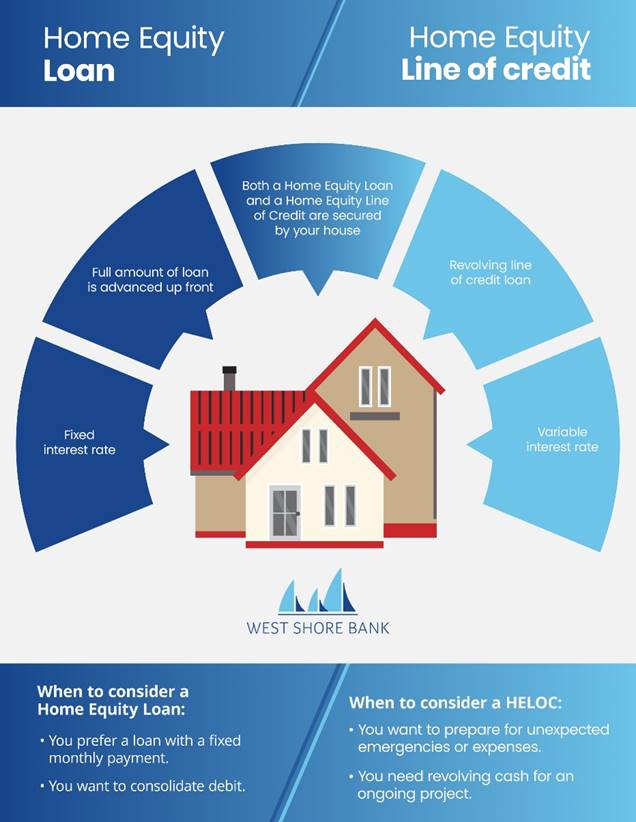
A HELOC is a revolving credit line where you borrow as needed and pay interest only on the used amount. A home equity loan provides a lump sum with fixed payments and interest, making it better for large, one-time expenses.
Mortgage Agent Level 1
Ontario Brokerage Licence: #10428
Contact Information
External Links
Haris Paracha is a Mortgage Agent Level 1 with Mortgage Intelligence, helping clients across Ontario find personalized mortgage solutions with access to 50+ trusted lenders.
Mortgage Agent Level 1
Ontario Brokerage Licence #10428
Haris Paracha is a Mortgage Agent Level 1 licensed in Ontario and authorized to deal and trade in mortgages on behalf of Mortgage Intelligence, Brokerage Licence #10428. The information provided on this website is for general information purposes only and does not constitute financial or legal advice. Terms, conditions and lending criteria apply.